What Bahá’ís Do
Spaces of Consultation
- What Bahá’ís Believe
- Overview
- Bahá’u’lláh and His Covenant
- The Life of the Spirit
- God and His Creation
- Essential Relationships
- Universal Peace
- What Bahá’ís Do
Bahá’u’lláh states:
“Consultation bestows greater awareness and transmutes conjecture into certitude. It is a shining light which, in a dark world, leads the way and guides. For everything there is and will continue to be a station of perfection and maturity. The maturity of the gift of understanding is made manifest through consultation.”
Candid, dispassionate and cordial consultation is vital to the success of any collective enterprise and its centrality to the functioning of Bahá’í institutions is one of the hallmarks of the operation of the Bahá’í administrative order. The purpose of such consultation is not only to provide a framework within which collective decisions can be taken—important though this is. It is a means of harmonizing points of view, promoting unity among the members of the community, of strengthening the bonds of trust and love between individuals and institutions; and of allowing new insights into complex issues to be brought forth and examined dispassionately. It also serves to foster systematic action, preserving focus among the participants in a given line of action and allowing for diverse perspectives to be integrated into the group’s understanding of the issues at hand, and guiding the progress of their related activities. In this regard, consultation is an essential component of the mode of learning adopted by the Bahá’í community across the range of its endeavours.

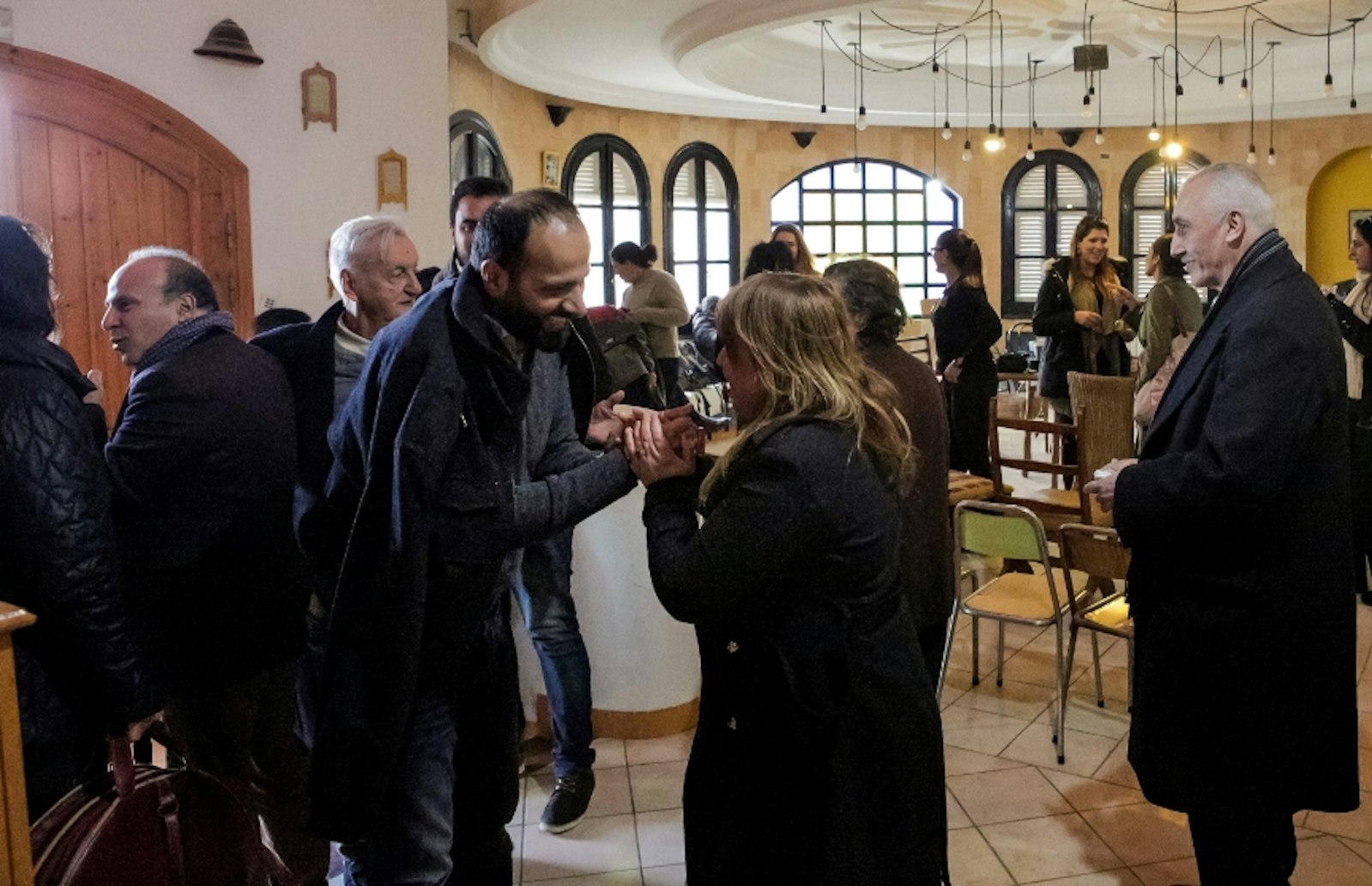
Effective consultation, which neither permits confrontation and argumentation, nor the imposition of views or plans, is central to the functioning of Local and National Spiritual Assemblies. Yet, the principles of consultation are applied, with varying degrees of formality, in numerous other spaces: among different institutions and administrative bodies; within the family unit; between institutions and the community; among the participants in specific projects, and—with increasing prevalence—among the individuals and agencies working at the local level to coordinate the contributions of the Bahá’í community to the betterment of society.
The Universal House of Justice has written:
“…Bahá’í consultation is to be undertaken with the utmost love, sincerity, and unity. Its participants must come together in a prayerful attitude, seeking assistance from the Realm of Glory, expressing their thoughts freely, surrendering all attachment to their individual opinions, and giving fair-minded and careful consideration to the views of others, in an effort to reach consensus. ‘Abdu’l-Bahá advises us that should it be found, in the course of coming to a decision, that discussion has become prolonged or given rise to disputation, consultation should be deferred and taken up at a more propitious time. Be confident that, as you engage in Bahá’í consultation among families or in small groups, your sincere efforts to abide by these principles will, through the power of the Covenant and with Divine assistance, enable you to resolve a great majority of the issues that confront you. Of course, it must be remembered that the purpose of consultation need not always be to arrive at a particular or final decision. Often the aim may simply be to engage in an exchange of views so as to help clarify a certain matter and bring about unity of vision.”


In addition to the content on this page, references to Bahá’í consultation can be found throughout this website. Of particular interest might be the exploration of the qualities and attitudes—of prayerfulness, humility, detachment, and patience, to name a few—of the participants in Bahá’í consultation, found in the article on the Local Spiritual Assembly within the “What Bahá’ís Believe” area of the site, as well as a description of centrality of consultation to Bahá’í community life in Section III of the Promise of World Peace in the topic collection on Universal Peace.